Editorial Contemporâneo
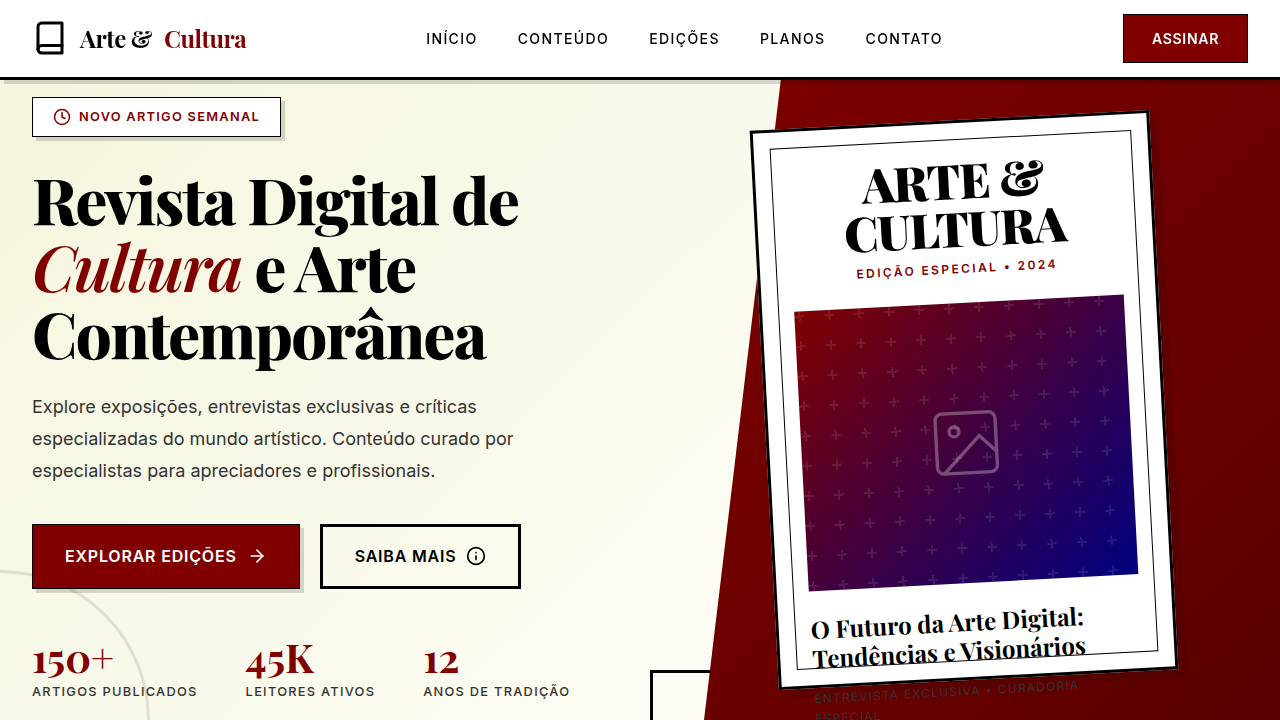
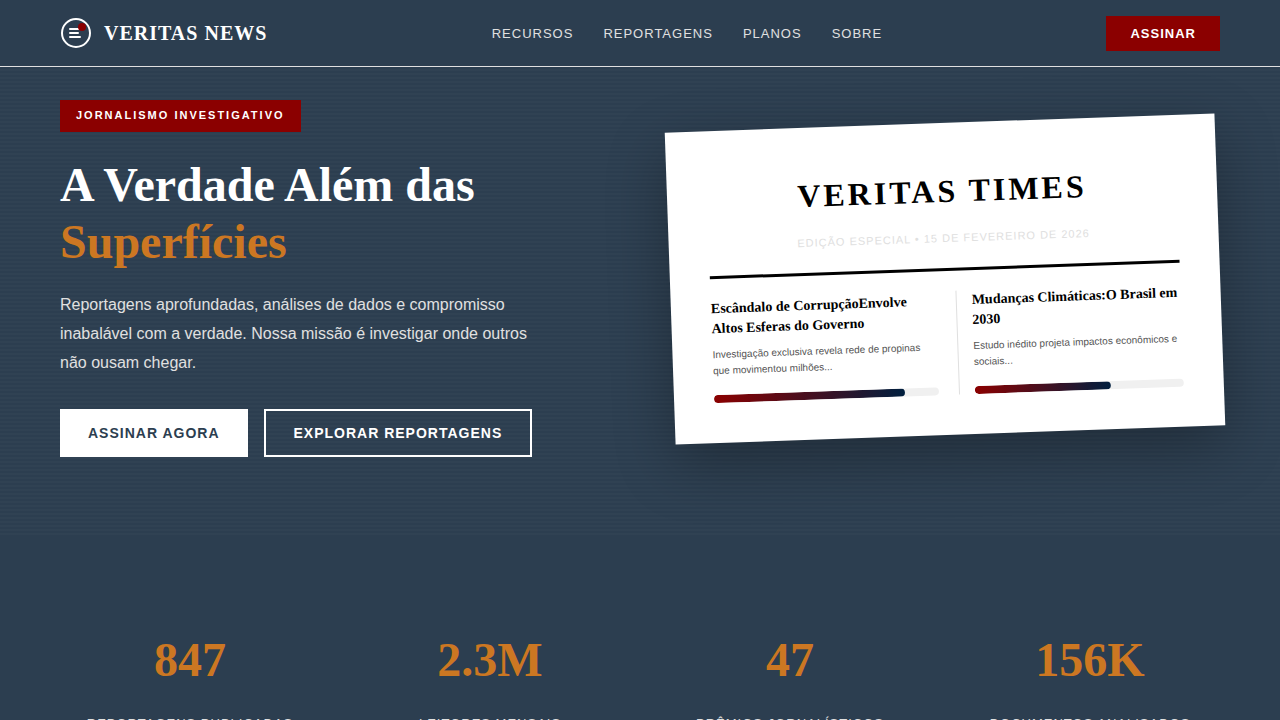
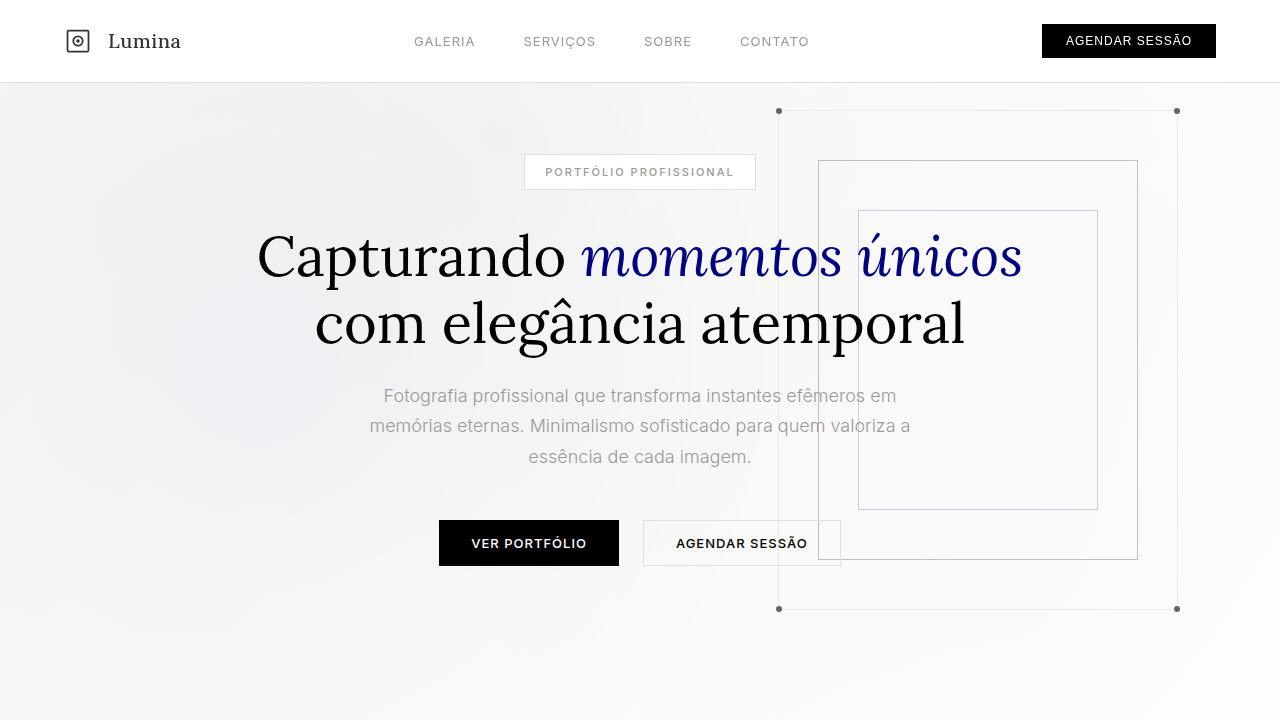
Editorial Contemporâneo — Design editorialstyle com magazine, culture, art. Template e prompt pronto para IA.
Uso: Landing pages, Websites modernas
Contexto Histórico
Estilo Editorial Contemporâneo representa uma tendência moderna em design UI/UX web com foco em editorialstyle.
Especificações Técnicas
Cores
Primárias
Secundárias
Efeitos
Tipografia contrastante (serifada decorativa para títulos, sans-serif legível para corpo), composição multicamadas com imagens e texto, foco em conteúdo visual de alta qualidade, elementos decorativos (linhas, molduras), micro-interações de destaque de artigo, transições de página com efeito de "virar revista".
Light/Dark
✓ Full / ✗ No
CSS
background: #FFFFFF, color: #000000, border-bottom: 1px solid #E0E0E0, font-family: "Playfair Display, serif", line-height: 1.7, transition: all 0.5s ease-in-out, .magazine-cover, .article-layout-multilayer, .decorative-frame.
Variáveis
--white-bg: #FFFFFF, --black-text: #000000, --wine-red: #800000, --dark-grey: #333333, --font-serif-display: "Playfair Display, serif", --font-sans-body: "Lato, sans-serif", --line-height-body: 1.7, --page-turn-transition: all 0.5s ease-in-out.
Checklist
☐ Tipografia contrastante, ☐ Composição multicamadas, ☐ Foco em conteúdo visual, ☐ Elementos decorativos, ☐ Micro-interações de destaque, ☐ Transições de "virar revista".
DESIGN.md
Design System: Editorial Contemporâneo
1. Visual Theme & Atmosphere
Editorial Contemporâneo — Design editorialstyle com magazine, culture, art. Template e prompt pronto para IA. Estilo Editorial Contemporâneo representa uma tendência moderna em design UI/UX web com foco em editorialstyle.
- Density: 5/10 — Balanced
- Variance: 8/10 — Expressive
- Motion: 4/10 — Subtle
2. Color Palette & Roles
- Branco (#FFFFFF) — Light surface, card backgrounds
- Preto (#000000) — Dark surface, primary background
- Vermelho Vinho (#800000) — Error states, destructive actions
- Cinza Escuro (#333333) — Dark surface, primary background
- Dourado (#FFD700) — Premium accent, decorative highlights
- Azul Marinho (#000080) — Secondary accent
- Verde Esmeralda (#2ECC40) — Success states, positive indicators
- Bege (#F5F5DC) — Extended palette, decorative use
3. Typography Rules
- Display / Hero: Playfair Display — Weight 700, tight tracking, used for headline impact
- Body: Playfair Display — Weight 400, 16px/1.6 line-height, max 72ch per line
- UI Labels / Captions: Playfair Display — 0.875rem, weight 500, slight letter-spacing
- Monospace: JetBrains Mono — Used for code, metadata, and technical values
Scale:
- Hero: clamp(2.5rem, 5vw, 4rem)
- H1: 2.25rem
- H2: 1.5rem
- Body: 1rem / 1.6
- Small: 0.875rem
4. Component Stylings
- Primary Button: Subtly rounded (0.5rem) shape. Accent color fill. Hover: 8% darken + subtle lift shadow. Active: -1px translate tactile press. Font weight 600. No outer glows.
- Secondary / Ghost Button: Outline variant. 1.5px border in muted color. Text in primary color. Hover: subtle background fill.
- Cards: Subtly rounded (0.5rem) corners. Surface background. Subtle shadow (0 2px 12px rgba(0,0,0,0.06)). 1px border stroke.
- Inputs: Label above input. 1px border stroke. Focus ring: 2px accent color offset 2px. Error text below in semantic red. No floating labels.
- Navigation: Primary surface background. Active item: accent color indicator. Font weight 500 when active.
- Skeletons: Shimmer animation matching component dimensions. No circular spinners.
- Empty States: Icon-based composition with descriptive text and action button.
5. Layout Principles
- Grid: CSS Grid primary. Max-width containment: 1280px centered with 1.5rem side padding.
- Spacing rhythm: Balanced. Base unit: 0.5rem (8px).
- Section vertical gaps: clamp(4rem, 8vw, 8rem).
- Hero layout: Asymmetric composition.
- Feature sections: Asymmetric grid with varied card sizes. No 3-equal-columns.
- Mobile collapse: All multi-column layouts collapse below 768px. No horizontal overflow.
- z-index contract: base (0) / sticky-nav (100) / overlay (200) / modal (300) / toast (500).
6. Motion & Interaction
- Physics: Ease-out curves, 200-300ms duration. Smooth and predictable.
- Entry animations: Fade + translate-Y (16px → 0) over 420ms ease-out. Staggered cascades for lists: 80ms between items.
- Hover states: Subtle color shift + shadow adjustment over 200ms.
- Page transitions: Fade only (200ms).
- Performance: Only transform and opacity animated. No layout-triggering properties.
7. Anti-Patterns (Banned)
- No emojis in UI — use icon system only (Lucide, Heroicons)
- No pure black (#000000) — use off-black or charcoal variants
- No oversaturated accent colors (saturation cap: 80%)
- No 3-column equal-width feature layouts — use zig-zag or asymmetric grid
- No
h-screen— usemin-h-[100dvh] - No AI copywriting clichés: "Elevate", "Seamless", "Unleash", "Next-Gen"
- No broken external image links — use picsum.photos or inline SVG
- No generic lorem ipsum in demos
Prompt para AI
Design an artistic and immersive editorial landing page for a contemporary culture and art digital magazine. Use: contrasting typography (decorative serif for headlines, legible sans-serif for body), multilayer composition with images and text, high-quality visual content focus, decorative elements (lines, frames), article highlight micro-interactions, page-turn transition effects, wine red and gold accents, sophisticated and engaging feel.
Relacionados
Última sincronização: 01/04/2026